
Food And Memory
Food has a remarkable ability to unlock memory. A smell from the kitchen, the sound of tempering spices, the sight of a familiar dish, or the first taste of something from childhood can bring back people and places we have not thought about for years. The memory may arrive suddenly, without effort.
This happens because food is experienced through many senses at once. Taste, smell, sight, sound and touch all become part of the moment. When emotion is also present, the memory becomes stronger. A dish eaten during a festival, a family gathering or a difficult time may stay with us far longer than we realize.
Smell is especially powerful. The aroma of food can bypass ordinary thinking and speak directly to memory. This is why a kitchen can feel like a time machine. One familiar fragrance can take us back to a childhood home, a grandparent, a holiday or a street corner from long ago.
Food memories are not always about luxury. Many of the strongest ones are simple. A lunchbox packed with care, hot food after school, tea during rain, khichdi during illness, or sweets during festivals can become emotionally important because of the context around them.
These memories also shape cravings. Sometimes we think we are craving a dish, but we may actually be craving the feeling attached to it. We may want safety, comfort, celebration, belonging or care. Food becomes the doorway through which the feeling returns.
Understanding this can make us kinder to ourselves. Cravings are not always weakness. They may be messages from memory. They may be reminders of needs that are emotional as well as physical. When we listen without judgment, we can respond with more awareness.
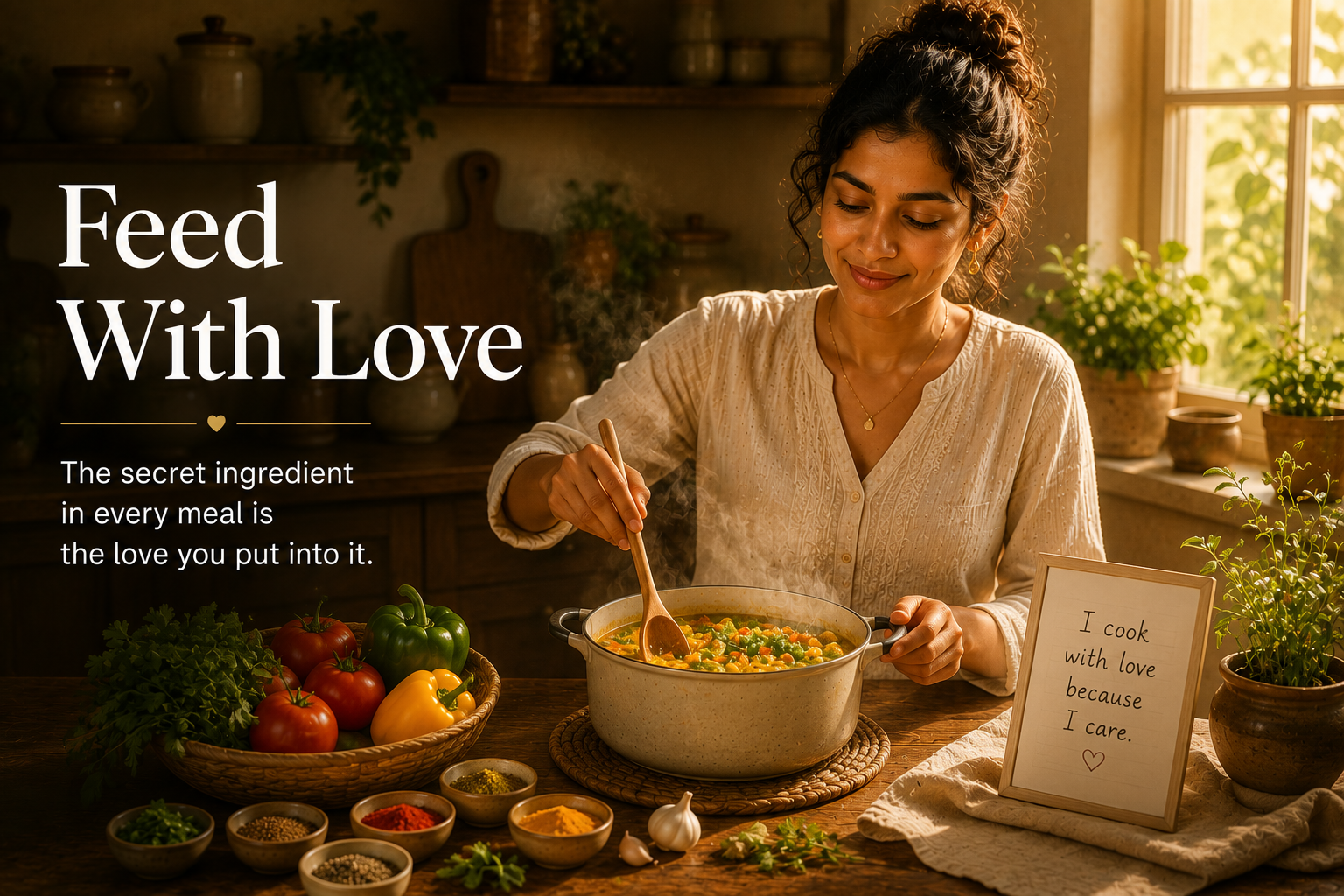
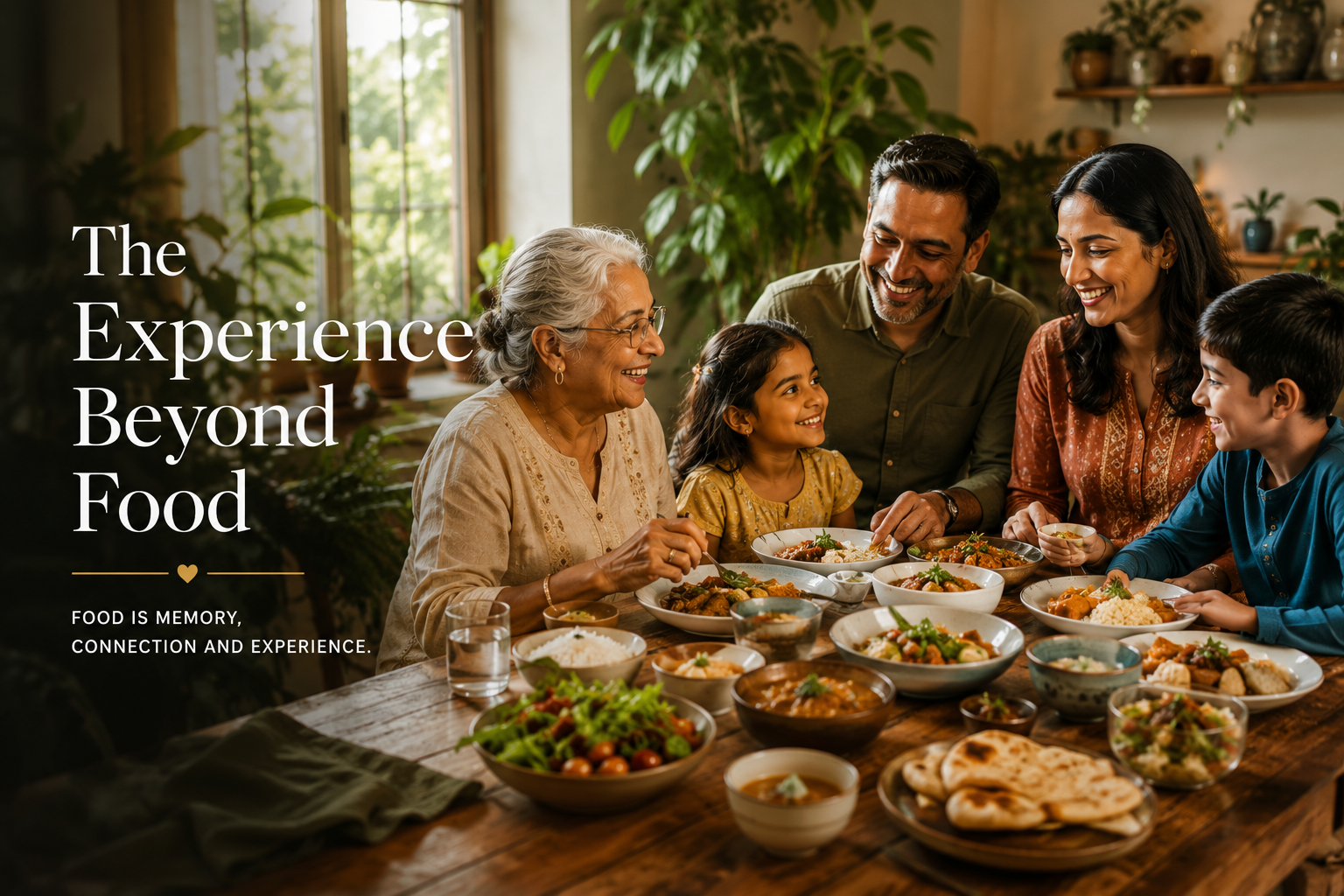
Home cooking keeps food memory alive. When recipes are repeated, adapted and shared, they create continuity. Children remember not only the dish but the feeling of the home around it. Families preserve identity not only through stories they tell, but through meals they continue to make.
In a digital world, food memory can also become community memory. Recipes uploaded, translated and shared can help preserve stories across regions and generations. A dish from one home can inspire another family somewhere else.
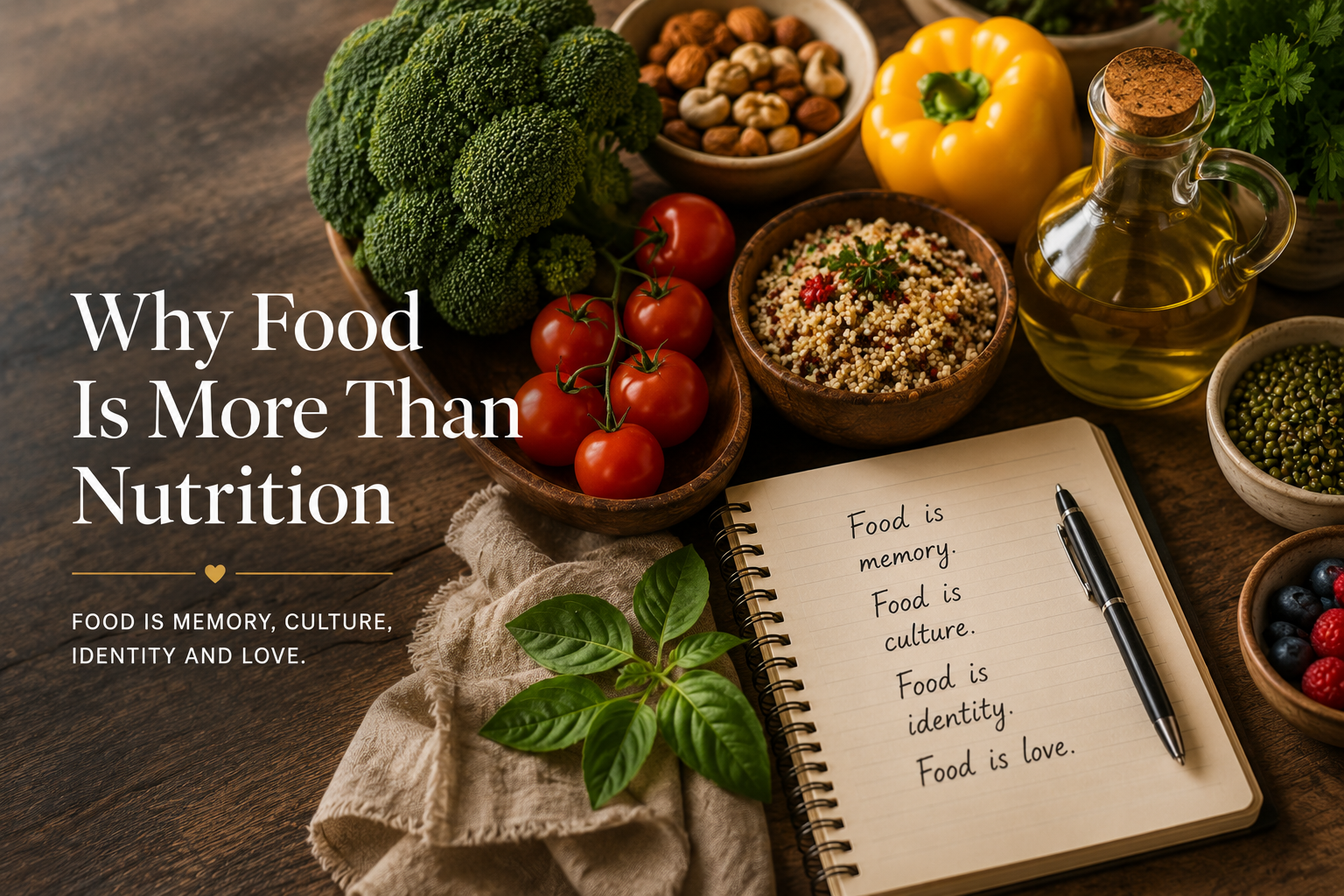
Food and memory are deeply connected because both are human. We do not only eat to live. We eat inside stories. We taste moments, remember people and carry emotions through food long after the meal has ended.
Continue the journey into food, feeling and philosophy. Happiness Now. Illness Never.




Join the Conversation